

For centuries, Cuba has been synonymous with the finest tobacco on earth. From the first encounter between indigenous cultures and European explorers to the modern luxury cigar industry, Cuban tobacco has not only survived the passage of time—it has defined it. But what makes Cuban tobacco so enduring, so revered, and so unmatched across generations?
A Legacy That Began Before the Modern World
Long before tobacco reached Europe, the indigenous Taíno people of Cuba were already cultivating and smoking it for ritual and medicinal purposes. When Christopher Columbus arrived in 1492, he encountered this tradition and introduced tobacco to the Old World, unknowingly sparking a global phenomenon.
From that moment, Cuban tobacco became one of the earliest exports linking the New World to Europe. Over time, it evolved from a cultural practice into a symbol of craftsmanship and luxury.
The Perfect Terroir: Nature’s Advantage

One of the most important reasons Cuban tobacco has endured is its unique environment. The island offers an ideal combination of:
- Rich, mineral-heavy soil
- A humid tropical climate
- Balanced sunlight and rainfall
These natural conditions allow every part of the cigar—the wrapper, binder, and filler—to be grown on the island itself, something very few regions in the world can achieve.
Regions like Vuelta Abajo have become legendary for producing some of the finest tobacco leaves ever cultivated, giving Cuban cigars their distinctive flavor, aroma, and complexity.
Craftsmanship Passed Through Generations
Cuban tobacco is not just grown—it is crafted. For centuries, the art of cigar making has been passed down from generation to generation.
Even today:
- Cigars are hand-rolled by skilled artisans
- Traditional techniques remain largely unchanged
- Quality control is meticulous and deeply rooted in tradition
This continuity of knowledge is one of the key reasons Cuban tobacco has maintained its reputation across time. It is not industrial—it is cultural.
A Global Symbol of Excellence
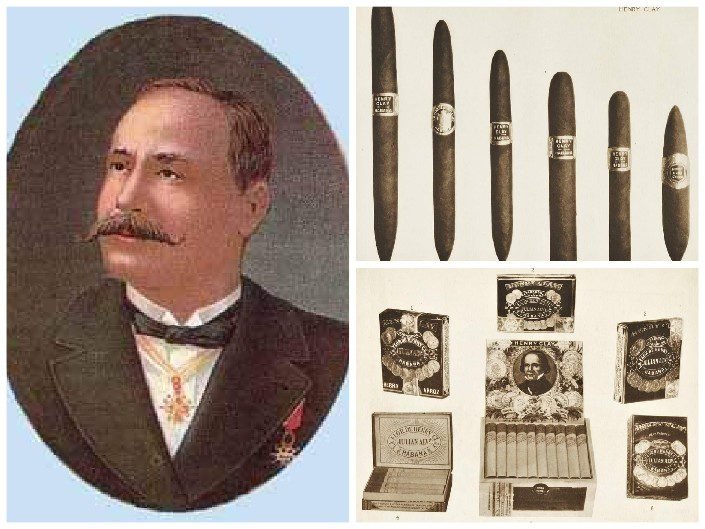
By the 18th and 19th centuries, Cuba had become the world’s center of cigar production. Havana emerged as the global capital of premium cigars, exporting hand-rolled products worldwide and establishing legendary brands that still define the industry today.
During the “Golden Age of Cigars” in the 19th and early 20th centuries, Cuban tobacco dominated international markets, setting the standard for quality and luxury.
Even today, despite competition from other countries, Cuban cigars remain a benchmark against which all others are measured.
Resilience Through History
Cuban tobacco has survived:
- Colonial monopolies
- Wars and political upheaval
- Economic restrictions and global embargoes
After the Cuban Revolution in 1959, the cigar industry was nationalized, yet production continued, and the global reputation of Cuban tobacco endured.
This resilience is part of its identity. Cuban tobacco is not just a product—it is a legacy shaped by history, adversity, and adaptation.
More Than Tobacco: A Cultural Icon
Cuban cigars are more than a luxury item. They represent:
- Tradition
- Artistry
- Identity
- Prestige
Each cigar embodies centuries of knowledge, from the soil where the tobacco is grown to the hands that roll it. It is a product that connects the past with the present.
Conclusion
Cuban tobacco has surpassed generations and time because it is built on three unshakable foundations:
- Unmatched natural conditions
- Centuries of tradition and craftsmanship
- A legacy recognized worldwide
In a constantly evolving world, few products remain timeless. Cuban tobacco is one of them—not just because of its quality, but because of the history and culture that live within every leaf.